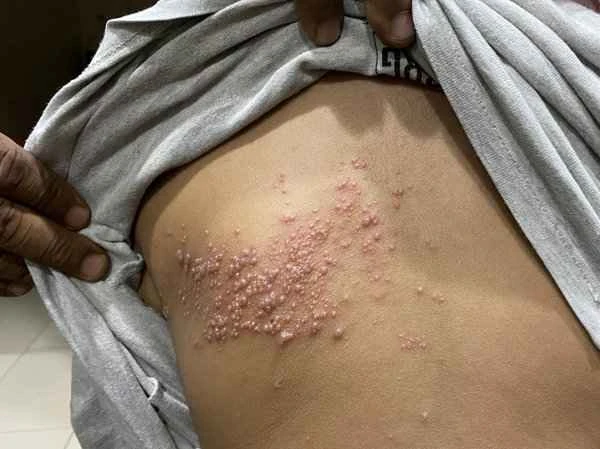
Ruptured shingles blisters require prompt and proper treatment to prevent infection and accelerate healing. When shingles blisters rupture, the skin barrier is compromised, increasing the risk of bacterial infection. The primary task is to keep the ruptured area clean and dry to prevent further infection. At the same time, ruptured blisters can hinder the healing process of shingles because they allow the virus to spread more easily, leading to increased pain or scarring. In addition to keeping the ruptured area clean and dry, measures should be taken to promote skin healing, such as using a doctor-recommended topical antibacterial ointment, maintaining good personal hygiene, and following the doctor's instructions for appropriate care.
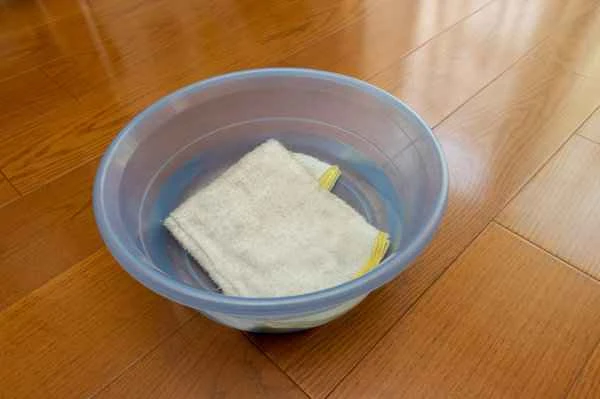
During the treatment of ruptured blisters from shingles, patients may encounter some common misconceptions, such as believing that ruptured blisters require no special treatment or using unsuitable medications incorrectly. These misconceptions may worsen the infection or delay healing. Following your doctor's advice and guidance is crucial when handling ruptured blisters. Maintaining good personal hygiene and avoiding contact with ruptured blisters are also important measures to prevent infection.
[Management Tip:]
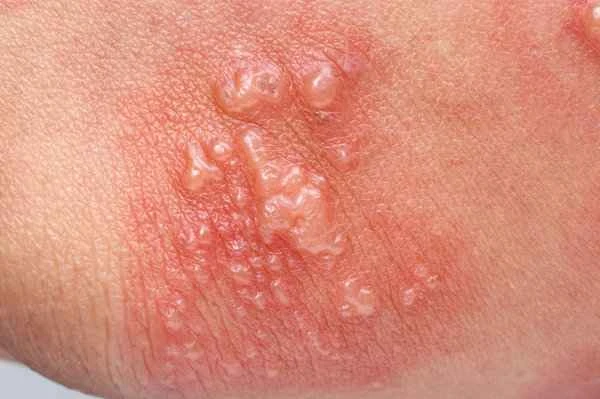
1. Keep the ruptured area clean and dry to prevent further infection.
2. Use a topical antibacterial ointment recommended by your doctor to promote skin healing.
3. Follow your doctor's instructions for proper care to avoid misunderstandings that could worsen the infection or delay healing.