If stung by a queen bee, immediate measures should be taken to relieve pain and prevent infection.

When stung by a queen bee, it's essential to first understand the mechanism of a queen bee sting. Queen bee venom contains various chemicals, some of which can cause pain, redness, and inflammation. The key to treating a queen bee sting is to quickly relieve pain, control inflammation, and prevent infection. The stinger should be removed immediately to prevent further venom injection. Afterward, apply ice to reduce pain and swelling, and wash the wound with soap and water to minimize the risk of infection. If a severe allergic reaction occurs at the sting site, such as difficulty breathing, throat swelling, or a systemic rash, seek immediate emergency medical attention. For individuals with a known history of bee venom allergy, an epinephrine auto-injector should be used immediately after a sting, and medical attention should be sought as soon as possible.
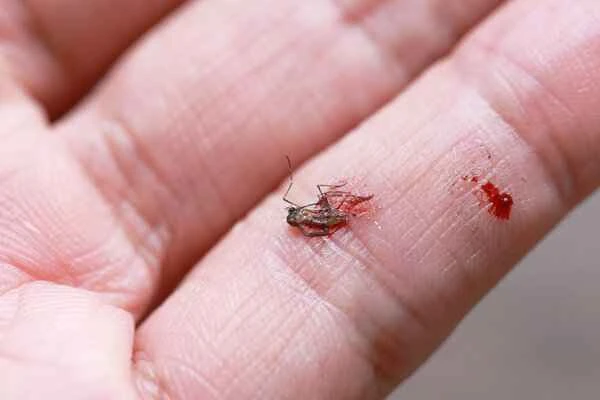
There are some common misconceptions to avoid when treating queen bee stings. Some people might try to suck out the venom, but this is not only ineffective but can also introduce bacteria from the mouth into the wound, increasing the risk of infection. Applying alcohol or ammonia directly to the wound is also not a good method, as these substances can irritate the wound and worsen pain and inflammation. The correct approach to treating a queen bee sting is to remain calm and take scientifically sound measures to avoid unnecessary harm.
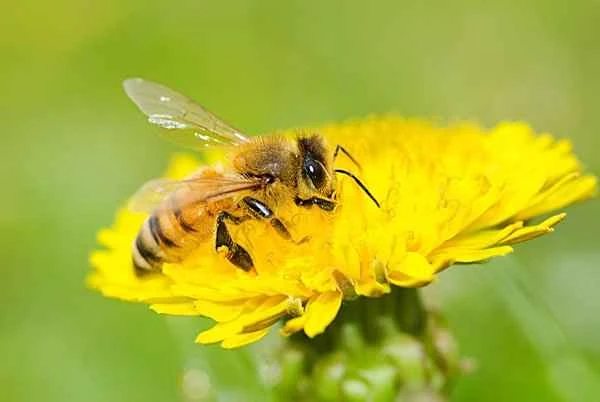
[Management Tip:]
1. Quickly remove the bee stinger to prevent further injection of venom.
2. Use ice packs to reduce pain and swelling.
3. Clean the wound to reduce the risk of infection.
4. In case of severe allergic reaction, seek emergency medical assistance immediately.