The treatment of shingles for half a month mainly involves medication to control pain and accelerate skin healing. The core principle in treating shingles is to use antiviral drugs as early as possible, combined with pain relievers and supportive treatments to alleviate symptoms and prevent complications.
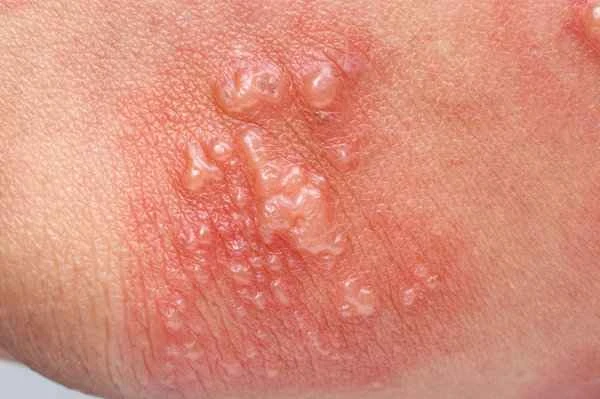
Shingles is caused by the varicella-zoster virus. After the initial infection, this virus remains dormant in nerve cells. When the body's immunity decreases, the virus is activated and spreads along nerve fibers to the skin, causing shingles. The key to treating shingles is to inhibit viral replication, reduce inflammation, relieve pain, and prevent sequelae. Antiviral drugs such as acyclovir, famciclovir, or varasiclovir can effectively inhibit viral replication, shorten the course of the disease, and reduce the incidence of neuralgia. Pain relievers such as nonsteroidal anti-inflammatory drugs (NSAIDs), tricyclic antidepressants, or local anesthetics can relieve pain and improve the patient's quality of life. Topical treatments, such as using ointments containing anesthetics or corticosteroids, can reduce skin inflammation and pain. Supportive treatments, such as maintaining good personal hygiene, avoiding scratching the rash, wearing loose and comfortable clothing, and avoiding overexertion and stress, can promote skin healing and prevent secondary infections.

During the treatment of shingles, it is crucial to be vigilant for potential complications, such as postherpetic neuralgia (PHN), ocular shingles, and encephalitis. PHN is a chronic pain condition that can last for months or even years, severely impacting a patient's quality of life. Ocular shingles can lead to vision impairment or even blindness. Encephalitis is a serious complication that can cause symptoms such as altered consciousness and seizures. When treating shingles, close monitoring of the patient's symptoms and timely adjustments to the treatment plan are essential to prevent and manage any potential complications.
[Management Tip:]
1. Use antiviral drugs as early as possible, such as acyclovir, famciclovir, or varasiclovir.
2. Use pain medications, such as nonsteroidal anti-inflammatory drugs, tricyclic antidepressants, or local anesthetics.
3. Maintain good personal hygiene, avoid scratching the rash, and wear loose and comfortable clothing.
4. Regularly monitor changes in the patient's condition, adjust the treatment plan promptly, and prevent and manage any potential complications.