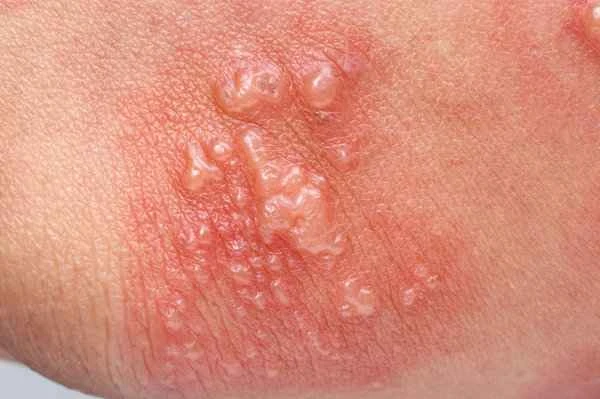
Patients with shingles should choose foods that help boost immunity and promote skin healing. Shingles is a skin infection caused by the varicella-zoster virus, which not only forms blisters on the skin but can also cause complications such as neuralgia. A proper diet can help patients strengthen their body's resistance and alleviate symptoms to some extent.
A diet rich in protein, such as fish, meat, eggs, and soy products, is essential. These foods are rich in amino acids, which promote skin tissue repair. Foods rich in vitamins C and E, such as fresh fruits and vegetables, are also crucial; they can strengthen the immune system and help the body fight viruses. Patients should also increase their intake of foods rich in Omega-3 fatty acids, such as deep-sea fish. These foods have anti-inflammatory properties and help reduce skin inflammation and pain. It's important to avoid spicy, oily, and highly stimulating foods, as these may worsen the condition, causing the herpes to spread or intensifying pain.

During the treatment of shingles, patients may encounter some dietary confusion, such as whether they can eat certain foods. In fact, dietary management is part of the treatment process, but it is not the decisive factor. While a proper diet can help relieve symptoms, it cannot cure shingles on its own. While paying attention to their diet, patients should also follow their doctor's instructions regarding antiviral medications and pain relievers. Maintaining healthy lifestyle habits, such as sufficient rest and moderate exercise, can also help improve the effectiveness of treatment.

[Management Tip:]
1. Increase your intake of protein and vitamins to promote skin healing.
2. Avoid spicy and greasy foods to prevent symptoms from worsening.
3. Maintain adequate water intake to promote metabolism.
4. Monitor changes in the patient's condition regularly and adjust the treatment plan accordingly.