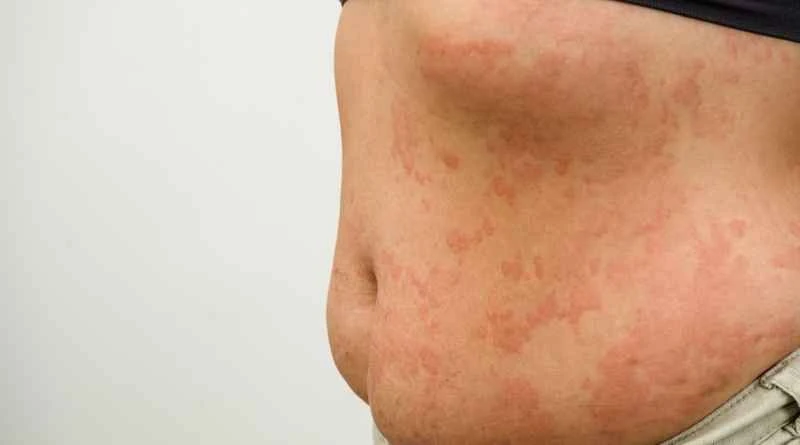
Scar inflammation refers to the redness, swelling, and pain that occur in scar tissue during the wound healing process due to an inflammatory response. The key to treating scar inflammation is controlling the inflammatory response and promoting the normal healing of scar tissue.
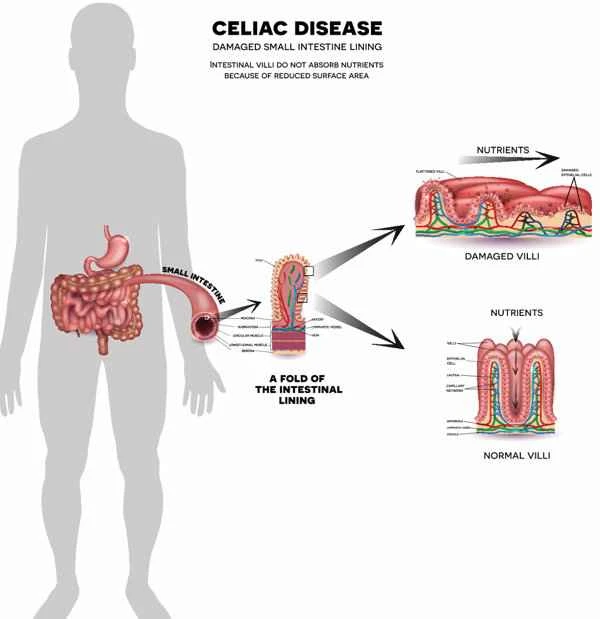
The first step in treating scar inflammation is identifying its source. Common causes include surgical incisions, trauma, and burns. In the early stages of inflammation, local cold compresses can reduce pain and swelling, while nonsteroidal anti-inflammatory drugs (NSAIDs) such as ibuprofen can be used to control the inflammation. If signs of infection appear in the scar tissue, such as purulent discharge or fever, antibiotics should be administered immediately. Physical therapies such as silicone sheets and pressure garments can also be used to promote softening and flattening of the scar tissue. The common mechanism of these methods is to reduce inflammation, promote normal healing of the scar tissue, and reduce the risk of scar hyperplasia.
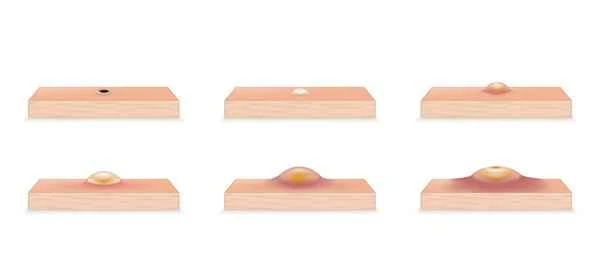
When treating scar inflammation, it's important to avoid using strong irritants or methods that could worsen the inflammatory response. Furthermore, treating scar inflammation is a long-term process, requiring patients to be patient, have regular checkups, and adjust the treatment plan as needed. Patients should also avoid excessive pulling or rubbing of the scar tissue in daily life to prevent hindering healing.
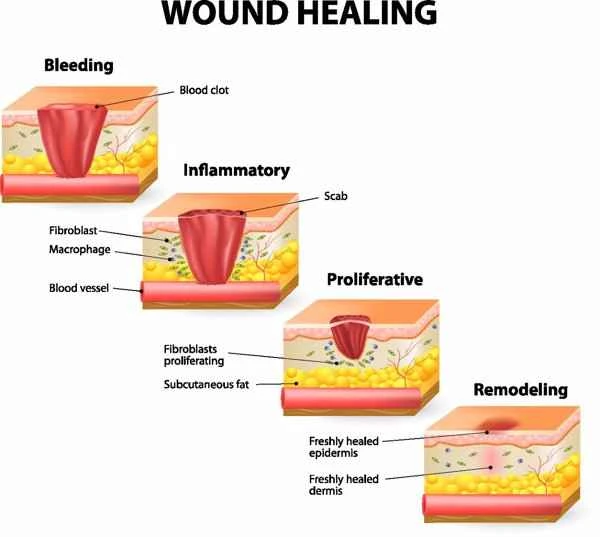
[Management Tip:]
1. Use nonsteroidal anti-inflammatory drugs regularly to control the inflammatory response.
2. Use physical therapies such as silicone sheets or pressure garments to promote softening and flattening of scar tissue.
3. Avoid excessive pulling or rubbing of scar tissue to prevent affecting the healing process.
4. Regular check-ups and timely adjustments to the treatment plan.