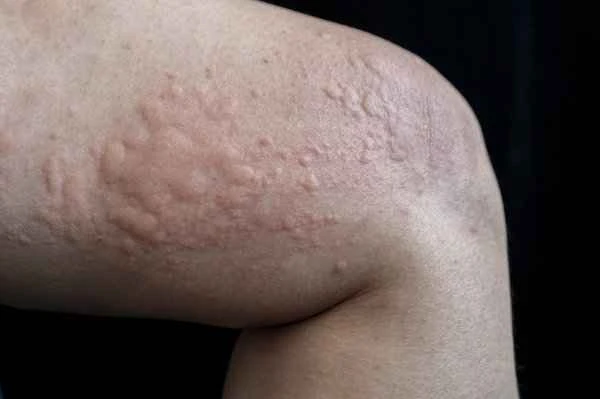
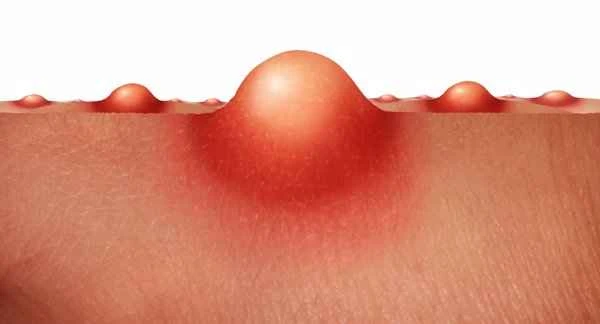
Treatment for large keloids mainly involves using various methods to reduce the size and hardness of the scar, thereby improving appearance and reducing discomfort.
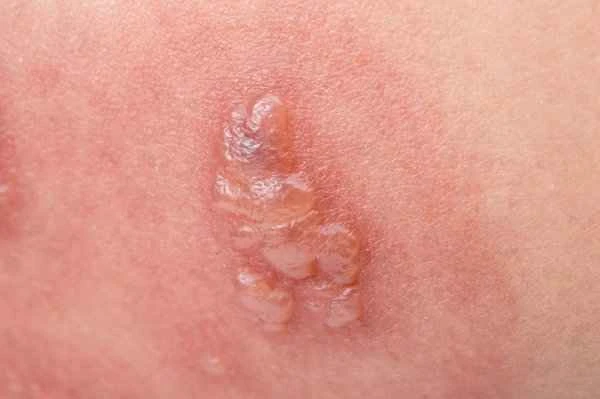
The core of treating large keloid scars lies in reducing the growth of scar tissue and improving its texture. This typically involves a variety of methods, including surgical excision, corticosteroid injections, radiation therapy, cryotherapy, and laser therapy. After surgical excision of the keloid, corticosteroid injections are usually combined to reduce the risk of recurrence. Corticosteroid injections can inhibit scar tissue growth and reduce inflammation, thereby reducing the hardness and size of the scar. Radiation therapy and cryotherapy can also be used to inhibit scar tissue growth and reduce scar hardness and size. Laser therapy improves the appearance and texture of the scar by stimulating skin regeneration and promoting the softening and absorption of scar tissue. The choice and combination of these treatment methods need to be determined based on the specific condition of the keloid and the individual differences of the patient to achieve the best treatment results.

In treating large keloid scars, it's crucial to note that while various treatment methods can effectively improve the appearance and texture of keloids, scar tissue growth is somewhat unpredictable, and treatment outcomes may vary from person to person. Side effects may occur during treatment, such as pain at the injection site and changes in skin pigmentation. Therefore, when choosing a treatment method, it's essential to comprehensively consider both the treatment's effectiveness and potential risks to select the most suitable plan for the patient.
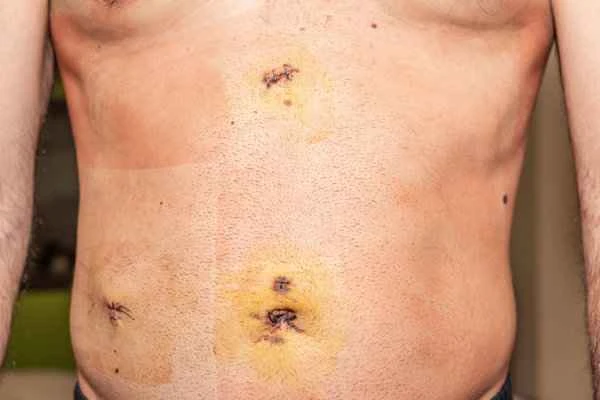
[Management Tip:]
1. Regularly monitor the size and hardness of keloids and adjust the treatment plan accordingly.
2. Avoid direct stimulation of keloids, such as avoiding wearing tight clothing.
3. If redness, swelling, pain or other abnormal symptoms occur, seek medical attention promptly.
4. Maintain good lifestyle habits, such as a balanced diet and sufficient sleep, to promote skin health.