Reducing surgical scar pain refers to alleviating the discomfort caused by postoperative scarring through a series of nursing measures. The core of reducing surgical scar pain lies in the comprehensive use of drug therapy, physical therapy, and lifestyle adjustments to reduce inflammation and promote the repair of scar tissue, thereby achieving the goal of relieving pain.
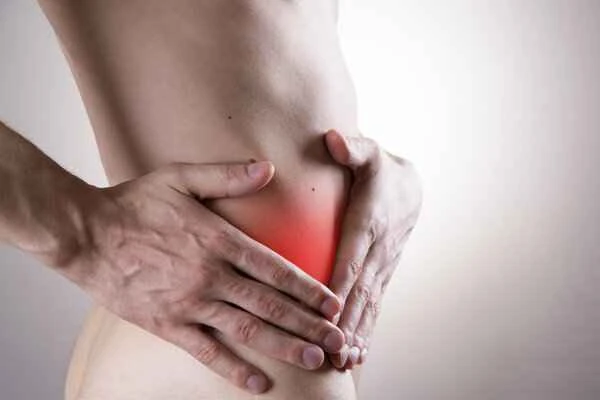
In reducing pain from surgical scars, medication and physical therapy are two main strategies. Medication typically includes nonsteroidal anti-inflammatory drugs (NSAIDs) and local anesthetics, which reduce inflammation and thus alleviate pain. Physical therapy includes cold and hot compresses, which promote blood circulation and accelerate the removal of inflammatory substances, thereby reducing pain. Keeping the wound clean and dry is also important for pain reduction, as it reduces the risk of infection. These strategies work together to promote healthy healing of the scar tissue and reduce pain.
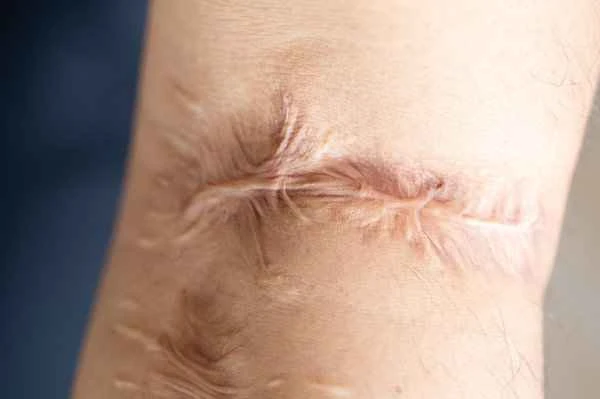
Managing surgical scar pain is a complex process, influenced not only by the scar tissue itself but also by individual differences, the type of surgery, and the quality of postoperative care. Understanding the specific cause of the pain is crucial before initiating any treatment. Over-reliance on medication can lead to side effects such as gastrointestinal discomfort or allergic reactions; therefore, medications should be used only as prescribed by a doctor to avoid misuse. While physical therapy can help relieve pain, overuse can also cause skin damage; therefore, it should be used in moderation to avoid further injury.
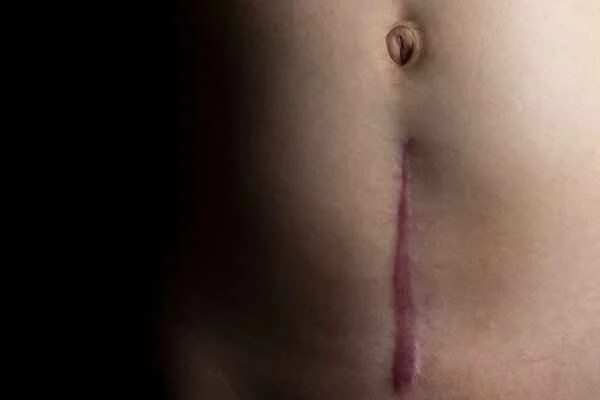
[Management Tip:]
1. Use nonsteroidal anti-inflammatory drugs and local anesthetics to relieve pain.
2. Apply cold or hot compresses regularly to promote blood circulation.
3. Keep the wound clean and dry to reduce the risk of infection.
4. Follow your doctor's advice and avoid over-reliance on medication.