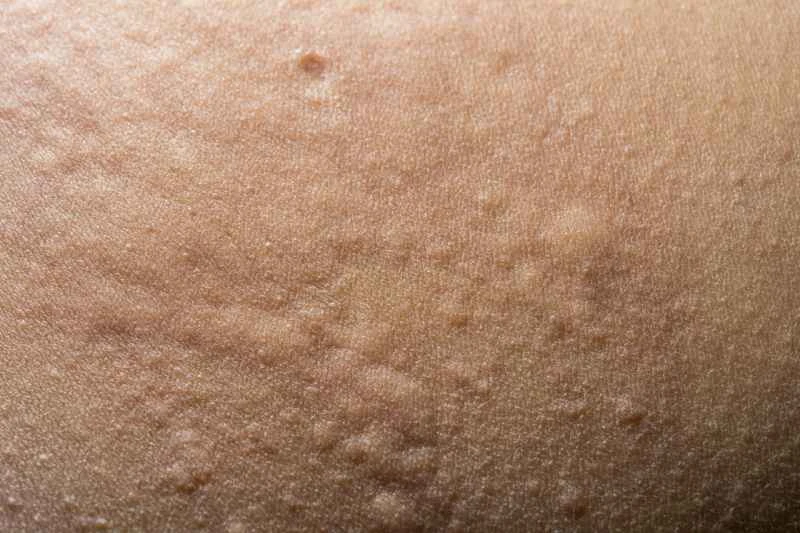
In Traditional Chinese Medicine (TCM), urticaria is commonly referred to as "yin zhen" or "feng zhen kuai." TCM believes its occurrence is related to factors such as constitution and external pathogenic factors, and recommends using TCM principles of syndrome differentiation and treatment to alleviate symptoms and reduce recurrence. The following are common TCM understandings of this condition:
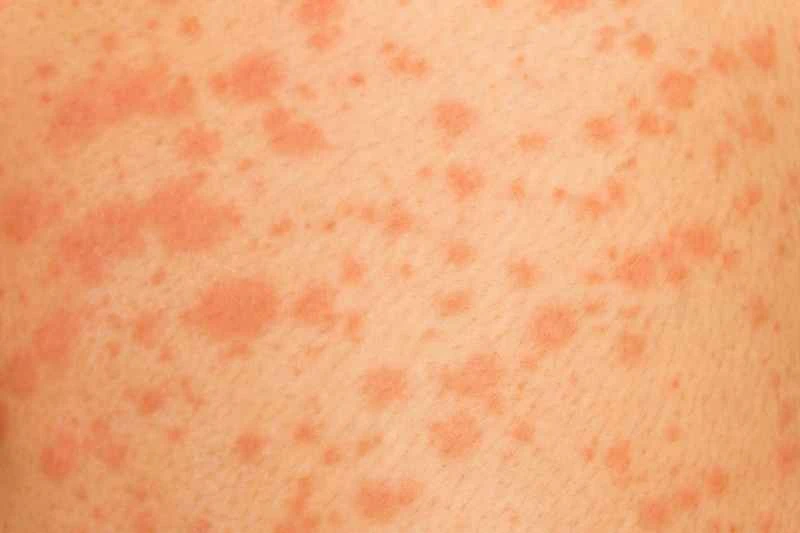
1. Etiology is related to constitution: Traditional Chinese medicine emphasizes individual differences and believes that urticaria may be related to damp heat, blood deficiency or weak defensive qi in the body. For example, some people may be triggered by improper diet or emotional fluctuations.
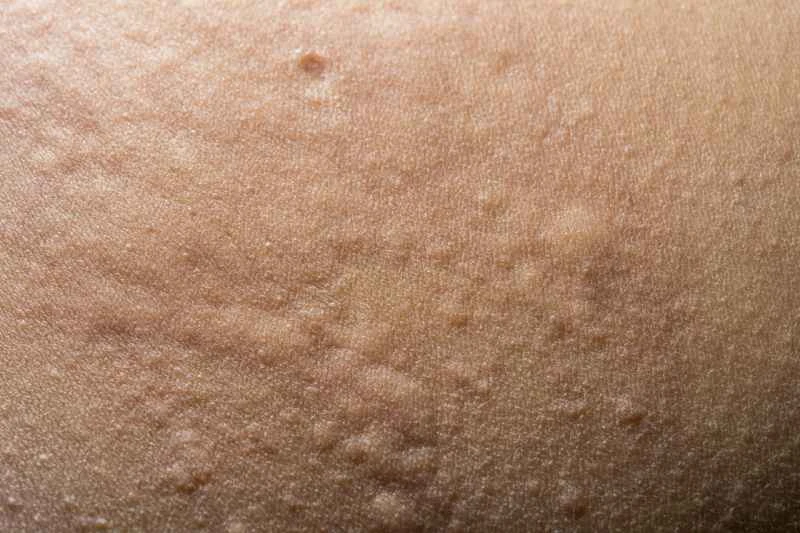
2. External pathogens are key: External pathogens such as wind, cold, and dampness can easily invade the body, causing itchy skin and rashes. Weather changes or contact with allergens often aggravate the symptoms.
3. Differentiation and treatment based on syndrome differentiation: Traditional Chinese medicine will classify and treat according to specific manifestations. For example, for wind-heat type, cooling medicines are often used, while for wind-cold type, warming and dispersing are emphasized to avoid generalization.
In this situation, it is advisable to maintain a light diet and avoid spicy foods and seafood; wear loose cotton clothing to reduce irritation; if symptoms recur, it is recommended to consult a traditional Chinese medicine practitioner for personalized treatment and improve physical condition through Chinese medicine or acupuncture.